1 April 2026
Symposium and Publication on Creativity
Towards Circuit Mechanisms of the Creative Process
The research group led by FIAS Senior Fellow Kaschube published an article on the significance of brain network mechanisms for creativity. It explores the possibilities and necessity of a neuroscientific perspective on neural network mechanisms in the creative process. The article emerged from a conference on creativity; the follow-up will take place on April 16.
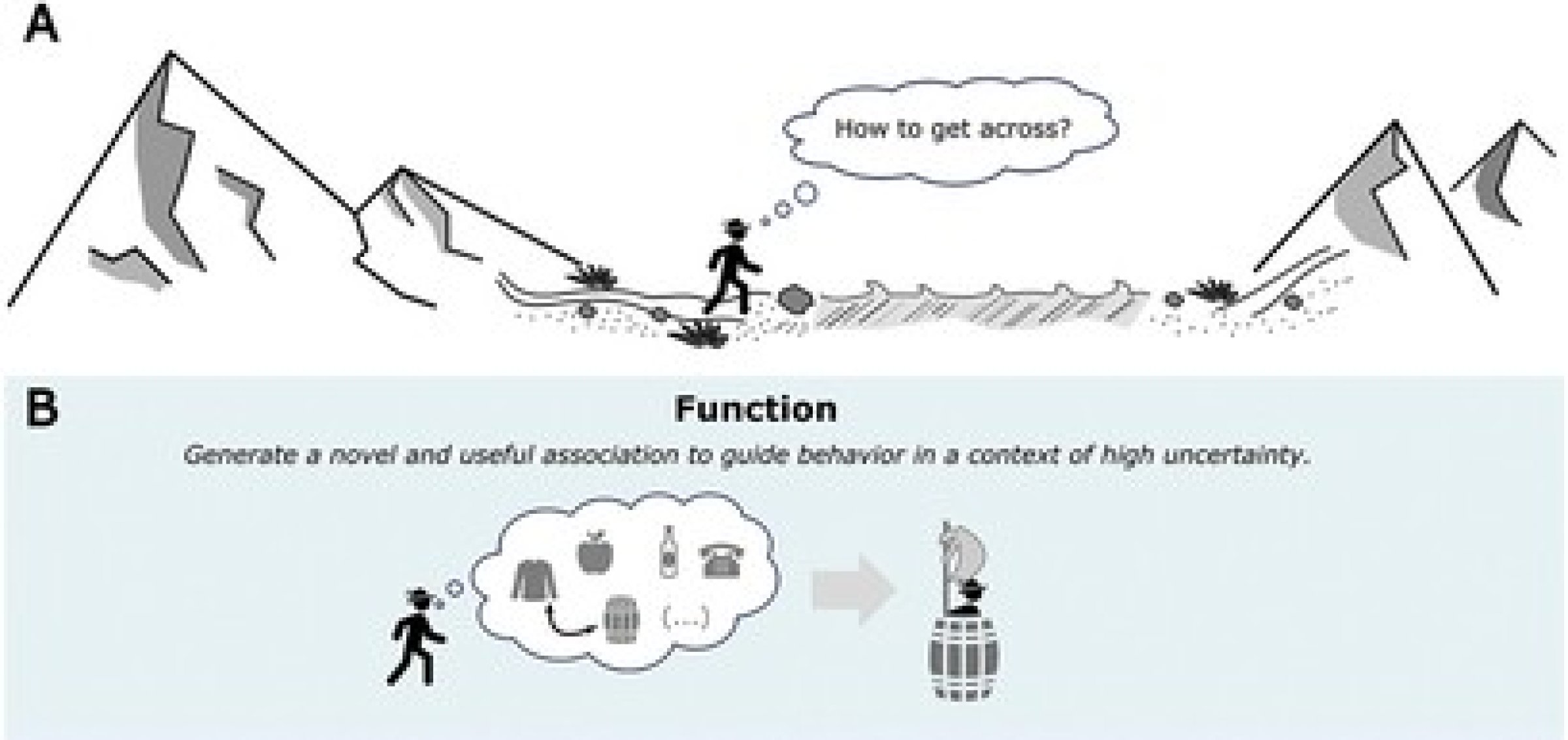
Creativity is most often studied from a behavioral perspective. Cognitive correlates have also been identified in the brain. However, our understanding of how neural circuits function during the creative process remains limited. In particular, the underlying mechanisms at the level of interconnected neuronal populations have yet to be explored.
Kaschube’s group uses an established concept to provide a neuroscientific perspective on creativity and to identify which principles might be at work at different levels. In their recent publication, in collaboration with Simon Rumpel’s group at the University of Mainz (Towards Circuit Mechanisms of the Creative Process), they propose hypotheses on how creativity might be anchored in neural networks. These findings have implications for both biological research and the development of “creative” artificial intelligence.
The publication in the Creativity Research Journal is based on the Creativity Conference (How Our Thinking Becomes Creative, Creativity Conference / FIAS) held two years ago in Oppenheim, which highlighted interdisciplinary intersections of creativity between psychology, cognitive and neurosciences, and computer science, and was jointly organized by FIAS and Mainz researchers.
A follow-up conference on creativity and AI will take place on April 16 in Darmstadt: Save the date: RMU AI and Creativity Symposium | Rhein-Main Universitäten (RMU).
Publication:
Seiler, J. P. H., Eppler, J. B., Dan, O., Elpelt, J., Kaschube, M., & Rumpel, S. (2026). Towards Circuit Mechanisms of the Creative Process. Creativity Research Journal, 1–20. https://doi.org/10.1080/10400419.2026.2646676